



The most important elements of web design combine visual appeal, functionality, and user experience. A well-designed website not only looks professional but also guides visitors, communicates your brand effectively, and encourages desired actions such as inquiries, purchases, or newsletter sign-ups. By focusing on these key elements, businesses can create websites that attract visitors and convert them into customers.
Key Elements of Web Design
Web design is more than choosing colors and images. It involves planning and arranging content, functionality, and user interactions to achieve business goals. The following elements are essential for creating an effective website:
Layout and Structure
A clear layout helps visitors understand your website at a glance and move through it naturally. Logical page hierarchy, well-organized sections, and intuitive navigation reduce confusion. When structure is done right, users find what they need faster and are more likely to engage.
Responsive Design
Responsive design ensures your website adapts smoothly to all screen sizes and devices. Visitors should have the same experience whether they browse on a phone, tablet, or desktop. This flexibility improves usability, search performance, and overall lead generation.
Visual Design
Visual elements should reflect your brand personality and communicate professionalism. Consistent colors, fonts, and imagery create a cohesive look across every page. Strong visual design builds trust and helps your brand stand out from competitors.
User Experience (UX)
UX focuses on how easily visitors can interact with your website. Clear navigation, fast load times, and simple user flows reduce frustration. A positive experience encourages visitors to stay longer and take action.
User Interface (UI)
UI design controls how users interact with buttons, forms, and interactive elements. Well-designed interfaces guide visitors toward key actions like inquiries or sign-ups. Clean, functional UI improves clarity and supports higher conversion rates.
Content Strategy
A strong content strategy ensures your messaging is clear, relevant, and purposeful. Content should answer user questions while highlighting your services and expertise. Well-planned content also supports SEO and long-term engagement.
Search Engine Optimization (SEO)
SEO helps your website appear in search results when potential customers are looking. Optimized pages, keywords, and technical structure increase visibility organically. Effective SEO drives consistent traffic without relying solely on paid advertising.
Performance and Speed
Website speed directly impacts user satisfaction and engagement. Fast-loading pages keep visitors from leaving before the content appears. Improved performance also supports search rankings and conversion rates.
Security and Maintenance
Ongoing security protects your website from threats and data breaches. Regular updates, backups, and monitoring keep your site running smoothly. A secure, well-maintained website builds long-term trust with users.
Examples of Effective Web Design in Practice
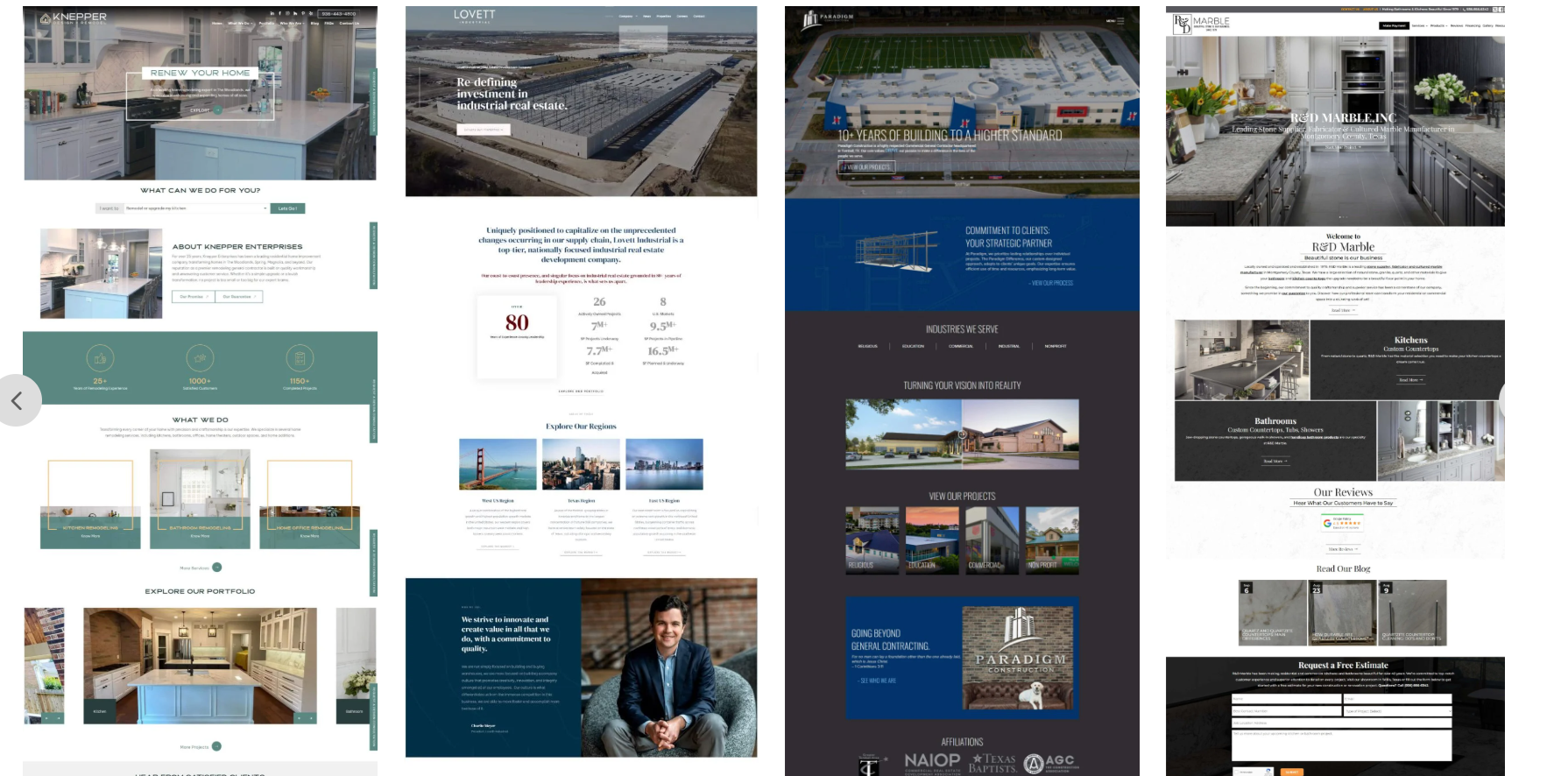
Real-world construction website designs created by ITVibes.
For example, a small business website with clear navigation, a mobile-friendly layout, and engaging visuals makes it easy for visitors to find services and take action, which helps increase lead inquiries. Projects like the StarTex Construction and Ceil Tex websites feature streamlined menus, bold imagery, and prominent calls-to-action that guide prospective clients to request quotes or explore services. These sites balance visual appeal with purpose-driven design so visitors quickly understand offerings and feel encouraged to reach out.
In service-oriented and conversion-focused websites, optimized service pages and clear calls-to-action play a key role in improving engagement and conversions. The Texas Rebuild and National Wire, LLC websites reflect ITVibes’ emphasis on structured layouts and simplified user journeys. Intuitive navigation, accessible contact forms, and clear visual cues help move visitors smoothly from interest to inquiry.
Similarly, service provider websites that combine educational content with visible contact options help position the business as a trusted industry expert. Sites like R&D Marble and Paradigm Construction showcase project galleries alongside informative service explanations and prominent contact sections. This combination reinforces credibility, builds trust, and encourages visitors to take the next step toward becoming clients.
How These Elements Work Together
Think of web design elements as pieces of a puzzle. Strong visual design draws attention, UX and UI guide visitors, content communicates value, and SEO ensures the site is discoverable. When these elements work together, the website becomes a tool that drives business growth, supports marketing efforts, and strengthens brand credibility.
Tips for Businesses Getting Started
- Prioritize user experience and responsive design to reach the widest audience.
- Ensure your branding is consistent across all visual elements.
- Work with professionals who understand both design and digital marketing for measurable results.
- Continuously test and update your site based on analytics and user feedback.
Investing in well-planned web design helps businesses create websites that are both attractive and functional, providing visitors with a seamless experience while supporting business goals.
Contact us to discover how strategic web design can help your business attract leads and grow.